
A good speaker is not one that can formulate one’s thoughts and opinions into big buzzwords and fancy sounding adjectives. What many people fail to notice when a person is giving a speech is what actually makes the speech impactful.
It’s not the words, or the way one says it. A big factor that’s so subtle that it goes unnoticed most times is how confident the speaker seems in one’s body. When a speaker knows how to stand eye-to-eye with the audience, the speech itself becomes captivating and impactful.
This blog is a step-by-step guide on how to utilise your body language to impact your speech and keep your audience engaged during student speaker competitions.
Hand Gestures
Articulating words is not just about speaking them. Visualising a thought is the best way that humans learn and understand. Studies have proven that engaging your hands when speaking has a significant impact on whether your listener will pay attention to you or not.
You must have noticed successful people and politicians during their speeches and addresses use their hands to motion or signal what they’re talking about. In the same way, by making appropriate hand gestures pertaining to your subject—you can also have the same effect.
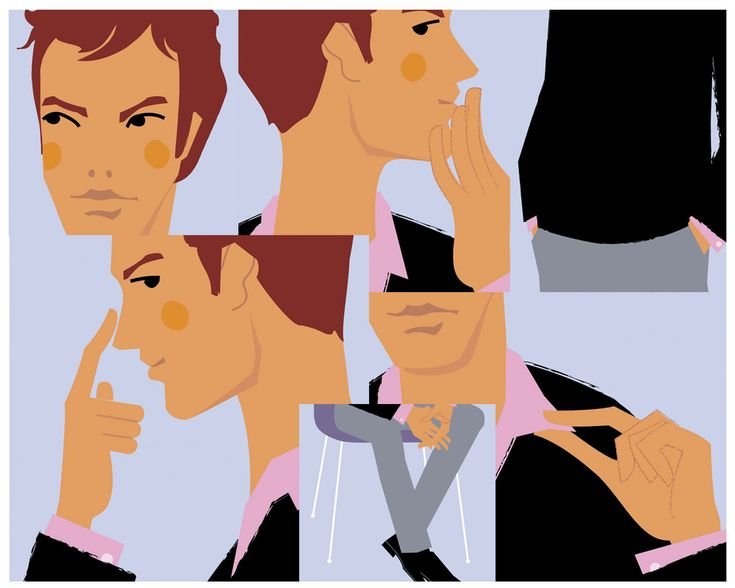
A few very common hand gestures include the classic, “Why?” with a furrowed brow, a patriotic fist, or a hand raised towards your audience. Even when speaking casually, we often tend to use air quotes or wave off unnecessary talk. You can use these familiar gestures to engage your audience and set the tone of your speech.
Casual waves and cheeky hovers for a comedic effect and firm fists and calculated fingers pointed towards them for a serious one. It’s all in the hands.
Posture and Stage Presence: Standing with Confidence
Something that you, as a speaker, has probably been told always is to stand upright when giving a speech. We often forget the weight of this advice and disregard how important it actually is. A confident lifted chin and straight shoulders tell the audience and the judging panel that you’re a speaker who knows where you stand and what you’re trying to tell the audience.
When you convey your confidence in your stance, the audience automatically thinks that you’re a professional which is what will help you. Not only does this make speakers look confident and comfortable on the stage but good posture can also mask the nervousness within and support your claims and words with rigid solvency.
Facial Expressions
We discussed the very basics of what we term “body language” so far into this list. But we forget that our face is also a part of our body. We show our emotions via our faces, therefore the importance of facial expressions during speeches is already self explanatory.
When you’re delivering a solemn speech on serious or sensitive topics, keep a straight face, tight-lipped smiles, and furrowed eyebrows. When you’re talking about a casual topic, be free to do anything and smile at your audience.
When your facial expressions match the tonality of your words, not only does it impact your words but it also shows the listener that you’re serious about what you’re talking about.

Moving with Purpose vs. Pacing Nervously
A big misconception among public speaking circles is that staying still with your hands at your back is the best stance to have while delivering a speech as not only does it look serious but you can always hide your shivering fingers. But being flexible with subjects is always in your best interest.
Especially during storytelling or extempore, speakers are often advised to use fluid bodily actions while talking, in this case: a rigid stance is not your best option. Moving around the stage and interaction is a must. But how do you do that when you’re nervous and sweating from head to toe? Keep calm.
Always give yourself a quick pep talk and prepare yourself before getting on the stage even if you’re an experienced speaker.When you’re moving around the stage, neither don’t overdo it nor just stand in the centre. Try to keep a balance between being too fidgety or being too stiff.
The subject of your speech is also crucial. If it’s a story which requires you to interact with toys, casual and fun is always welcomed but not during serious addresses.
Practice always: in front of a mirror, or family members and friends. Only when you’re confident with yourself can you do the same in front of strangers.
Importance of Non-Verbal Communication
We often mistake public speaking to only be about speaking. In reality, there are many nuances to it that we fail to understand hence fail as good speakers.
Speaking to the audience without words is just as important as speaking to the audience with them. When you keep steady eye contact with your panel, when you question a rhetoric, or when you furrow your eyes at a grave mishap. All of this ties into your words and contributes to a great performance. Body language is just as important as your language is.
And that is how the most successful student speakers are made. This guide is only meant to help you understand the basics of knowing how to use your body and facial expressions to assist your speech. The rest is up to practice and hard work.